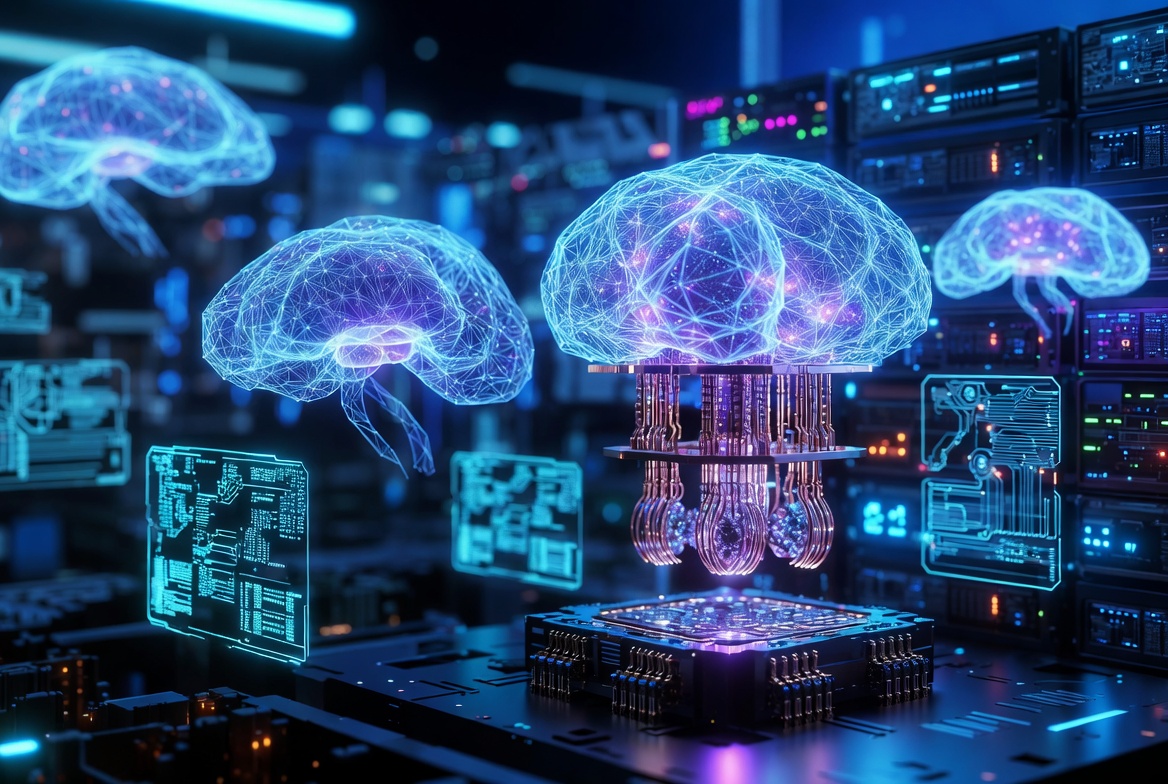
2026 is shaping up to be a landmark year in technology. From powerful new AI models and agentic workflows to hyperscale AI data centers, sodium-ion batteries, and early quantum computing advantages, the tech world is moving faster than ever. Major companies like Meta, Anthropic, NVIDIA, and IBM are driving innovation, while challenges in cybersecurity, AI ethics, and energy demands rise. This detailed overview covers the key breakthroughs, trends, and global impacts as of April 2026.
As we move deeper into 2026, technology continues to reshape every aspect of human life at an unprecedented pace. April 2026 has already brought exciting developments — from new AI models and cybersecurity challenges to hardware innovations and sustainability breakthroughs. The year is being defined by the transition of AI from experimental tools to true collaborative partners. Hyperscale AI infrastructure, agentic AI systems, improvements in memory and context, and the first signs of quantum advantage are making headlines. At the same time, concerns around energy consumption, ethical AI use, and cybersecurity threats are growing. This article explores the top technology trends and breakthroughs of 2026, their real-world implications, and what they mean for businesses, governments, and everyday users. Major AI Breakthroughs Defining 2026 Artificial Intelligence remains the dominant force in tech this year. Experts predict that 2026 will shift focus from simply building larger models to creating smarter, more reliable, and collaborative systems. Key highlights include: Agentic AI and AI Workflows: Instead of standalone chatbots, 2026 is the year of AI agents that can handle complex, multi-step tasks autonomously. Improvements in long context windows and human-like memory allow agents to remember past actions and work on long-term goals. Open-Source Models Gaining Ground: Open-source foundation models are challenging the dominance of big tech giants, accelerating innovation and making advanced AI more accessible. Generative Coding Tools: AI that can write production-ready software, automate testing, and deployment is transforming software development. Meta’s Muse Spark and Anthropic’s Advances: Meta has launched new AI models, while Anthropic continues pushing boundaries with powerful systems (some so advanced they raise safety concerns). AI is no longer just a productivity tool — it is becoming an organizational resource that boosts teamwork, research, and problem-solving across industries. Hyperscale AI Data Centers and Infrastructure Boom One of the biggest breakthroughs of 2026 is the rise of hyperscale AI data centers designed to power the largest AI models. These massive facilities require enormous amounts of energy, driving innovation in efficient cooling systems and power management. Major investments continue, with companies like Meta committing billions to AI cloud infrastructure. The demand for high-performance GPUs (led by NVIDIA) remains sky-high, and new chips like Snapdragon X2 and NVIDIA’s N1 SoC are entering the market with impressive capabilities. Quantum Computing: First Signs of Advantage 2026 is expected to mark an important milestone — the point where quantum computers begin to outperform classical computers on specific real-world problems. IBM and other players are reporting steady progress toward fault-tolerant quantum systems. Applications could revolutionize fields like drug discovery, materials science, cryptography, and optimization problems. Quantum technology is also being explored for national security and even in conflict scenarios for advanced sensing. Energy and Sustainability Innovations With AI’s massive energy appetite, sustainable tech is gaining traction: Sodium-ion Batteries: These cheaper and safer alternatives to lithium-ion batteries are emerging as a game-changer for electric vehicles and grid storage. Next-Generation Nuclear Reactors: Smaller, safer designs could provide clean energy to power data centers and cities. Battery Recycling Challenges: Companies in the space are facing difficulties, highlighting the need for better circular economy solutions in tech. Hardware and Consumer Tech Highlights Foldable devices (including rumors of Apple’s first foldable iPhone possibly launching later in 2026) New laptops powered by advanced chips (Snapdragon X2 with up to 18 cores) Open hardware movements, such as Keychron sharing 3D keyboard blueprints AI integration in everyday tools like Google Maps and productivity software Cybersecurity Challenges in 2026 As AI becomes more powerful, so do the risks. Reports show AI models capable of finding thousands of high-severity vulnerabilities in operating systems and browsers. Cybersecurity threats are escalating, with increased focus on protecting AI systems themselves from attacks and misuse. Incidents involving AI-fueled misinformation, stalking cases linked to chatbots, and regulatory probes (such as Florida’s investigation into OpenAI) highlight the growing need for strong governance and ethical frameworks. Global Impact and Economic Shifts Technology in 2026 is driving both opportunities and challenges: Economic Growth: High-growth tech stocks in AI, semiconductors, and green tech continue to attract investors. Job Market Transformation: AI agents and generative tools are automating routine tasks, creating demand for new skills in prompt engineering, AI oversight, and context engineering. Geopolitical Angle: Quantum tech and advanced AI are becoming strategic assets, with nations racing to lead in these fields. Environmental Concerns: The massive energy and water requirements of data centers are pushing companies toward greener solutions. Challenges and Risks Ahead Despite the excitement, 2026 brings important hurdles: AI “bubble” concerns and potential market corrections Ethical and safety issues with increasingly powerful models Supply chain pressures on DRAM, chips, and rare materials Regulatory scrutiny around data privacy, bias, and misuse of AI The digital divide — ensuring benefits of tech reach developing regions Conclusion 2026 is proving to be a pivotal year where technology moves from hype to real-world transformation. AI is evolving into a true partner for humanity, quantum computing is crossing important thresholds, and sustainable innovations are addressing the energy demands of progress. The coming months will bring more major announcements at events like NVIDIA GTC, Google I/O, and others. Success will depend not just on technological breakthroughs, but on how responsibly we develop, deploy, and regulate these powerful tools. The future of technology in 2026 looks incredibly promising — but it also demands careful navigation of risks to ensure benefits are shared widely and safely.Top Technology Trends and Breakthroughs of 2026: AI Revolution, Quantum Advances, and What It Means for the Future

April 11, 2026
1:50 PM
15 views