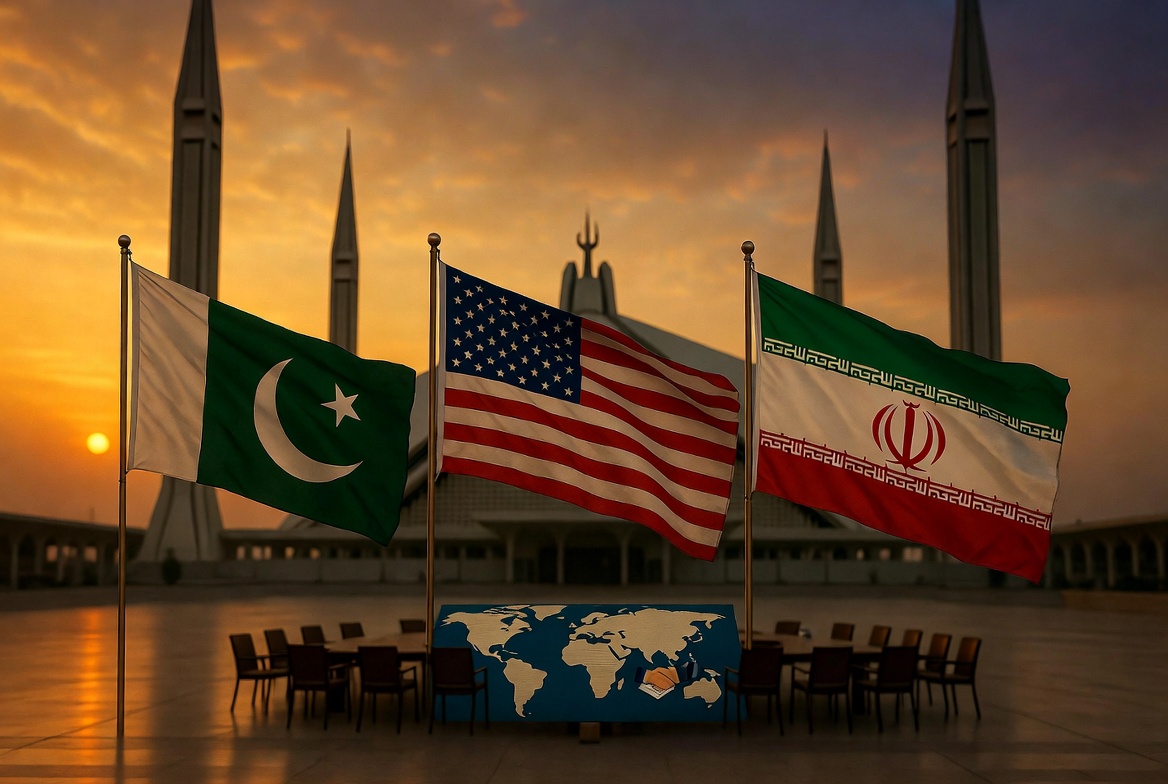
Following a two-week ceasefire brokered by Pakistan on April 8, 2026, high-level negotiations between the United States and Iran have begun in Islamabad on April 11-12. The US delegation is led by Vice President JD Vance, while the Iranian side is headed by Parliament Speaker Mohammad Bagher Ghalibaf and Foreign Minister Abbas Araghchi. Key topics include Iran’s nuclear program, freedom of navigation in the Strait of Hormuz, lifting of sanctions, and regional stability. Pakistan’s successful mediation has brought global attention, though the ceasefire remains fragile. These talks could reshape the future of the Middle East.
Pakistan has once again become the center of global diplomacy. Following the brief but intense Iran-America war of 2026, high-level peace negotiations have officially started in Islamabad on April 11, 2026. The two-week ceasefire, achieved through Pakistan’s active mediation on April 8, now enters a critical phase as senior delegations from both the United States and Iran arrive in the Pakistani capital. The American delegation is led by Vice President JD Vance, accompanied by Special Envoy Steve Witkoff and Jared Kushner. On the Iranian side, Parliament Speaker Mohammad Bagher Ghalibaf and Foreign Minister Abbas Araghchi are heading the team. Pakistani leadership, including Prime Minister Shehbaz Sharif, Foreign Minister Ishaq Dar, and Army Chief General Asim Munir, are hosting the talks. These negotiations are not only aimed at ending the ongoing conflict but also hold the potential to bring long-term stability to the Middle East, secure global energy supplies, and prevent further escalation that could destabilize the entire region. Background: How the 2026 Iran-America War Began The conflict escalated in February 2026 when the United States and Israel launched large-scale strikes on Iranian nuclear facilities and military targets. Indirect talks in Oman had been ongoing, but disagreements over deadlines set by the Trump administration and Iran’s refusal to limit its uranium enrichment led to a breakdown. Iran responded with retaliatory attacks on Gulf targets and shipping routes, causing major disruption in the Strait of Hormuz — the narrow waterway through which nearly 20% of the world’s oil supply passes. Oil prices skyrocketed, global markets trembled, and millions of people across the region faced economic hardship and security threats. Pakistan immediately called for de-escalation and began shuttle diplomacy between Washington, Tehran, and other regional capitals. Prime Minister Shehbaz Sharif and Army Chief General Asim Munir played a pivotal role in convincing both sides to agree to a temporary ceasefire. Pakistan’s Mediation: A Major Diplomatic Achievement Pakistan maintained strict neutrality while actively working as a trusted messenger between the two adversaries. Using its unique position and long-standing relations with both Iran and the West, Islamabad successfully facilitated the two-week ceasefire. Both the US and Iranian leadership publicly appreciated Pakistan’s efforts. President Trump thanked Prime Minister Shehbaz Sharif and General Asim Munir for their constructive role. Iranian officials also praised Pakistan’s “brotherly” approach and commitment to peace. The decision to hold the formal negotiations in Islamabad is itself a recognition of Pakistan’s successful diplomatic bridge-building. Who Is Participating in the Islamabad Talks? United States Delegation: Vice President JD Vance (leading the delegation) Steve Witkoff (Special Envoy) Jared Kushner (Senior Advisor) Iranian Delegation: Mohammad Bagher Ghalibaf (Speaker of the Iranian Parliament) Abbas Araghchi (Foreign Minister) Pakistani Hosts: Prime Minister Shehbaz Sharif Foreign Minister Ishaq Dar Chief of Army Staff General Asim Munir Senior diplomats and security officials Tight security arrangements have been made across Islamabad, with major roads restricted and the city placed under heightened alert. Key Issues on the Negotiation Table The talks are expected to cover several complex and interconnected issues: Iran’s Nuclear Program The United States wants strict limits on Iran’s uranium enrichment activities and stronger IAEA monitoring. Iran insists on its right to peaceful nuclear technology while seeking guarantees against future military strikes. Freedom of Navigation in the Strait of Hormuz This remains one of the most critical issues. The US and its allies demand unrestricted passage for international shipping, while Iran wants assurances regarding its own security concerns in the Gulf. Lifting of Sanctions and Release of Frozen Assets Iran is seeking significant economic relief, including the removal of sanctions and access to its frozen funds abroad. Regional Proxy Groups and Militias The role of Iran-backed groups in Lebanon, Yemen, Iraq, and Syria will be discussed, as their activities directly affect regional stability. Israel-Lebanon Ceasefire Recent flare-ups along the Lebanon border have complicated the situation. Ensuring a stable ceasefire on all fronts is a major challenge. Long-term Peace Framework Both sides are expected to explore the possibility of a more permanent agreement that prevents future conflicts. Major Challenges and Risks Despite the hopeful start, several obstacles remain: The current ceasefire is still fragile. Deep mistrust exists between the two countries after years of hostility. Internal differences within the Iranian delegation and hardline factions could create hurdles. Domestic political pressures in the United States may influence the negotiations. Any failure could lead to rapid resumption of hostilities, with devastating consequences for the region and global economy. Opportunities and Challenges for Pakistan By hosting these talks, Pakistan has significantly enhanced its international image as a responsible and neutral mediator. A successful outcome could strengthen Pakistan’s diplomatic standing with the US, China, Saudi Arabia, and Iran simultaneously. However, Pakistan also faces domestic challenges, including economic pressure, energy security concerns, and the risk of spillover effects from the conflict near its borders. Global and Regional Implications Successful talks could lead to a sharp drop in global oil prices and provide relief to the world economy. Stability in the Middle East would reduce the threat of proxy wars and terrorism. Failure of the negotiations might trigger a wider conflict involving more regional and international players. Conclusion The Islamabad negotiations between Iran and the United States represent a rare and delicate opportunity for peace. Pakistan’s role as a mediator has once again highlighted its importance in regional and global affairs. For lasting peace, both sides will need to show flexibility, patience, and political will. The world is watching these talks closely. If successful, the 2026 Iran-America conflict could become a lesson in the power of dialogue over war. If they fail, the consequences could be severe for the entire region. Pakistan’s successful hosting of these high-stakes talks has already earned praise from the international community and could mark a new chapter in its foreign policy.Iran-America War Talks in Pakistan: Full Details of Islamabad Negotiations 2026, Key Issues, and Regional Impact

April 11, 2026
1:40 PM
11 views